Assisted Embroidery Design Review
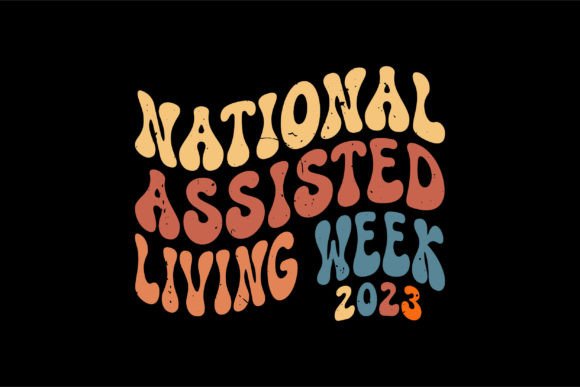
As a designer who spends more time troubleshooting stitch paths than admiring color palettes, I approach every new digital download with a healthy dose of skepticism. The market is flooded with generic clip art that looks fine on a screen but falls apart under the needle. That was my mindset when I pulled down Assisted, a design marketed as part of the National Assisted Living Week 2023 collection. It promises a retro, wavy, groovy aesthetic in an EPS file format. But does it hold up when translated from vector graphics to thread? After running several tests on various fabrics and hoop sizes, here is my practical evaluation for fellow embroiderers, small business owners, and crafters.
First Impressions: Mood and Visual Personality
The moment you open the file, the intent is clear. This isn’t trying to be minimalist or corporate. The wavy lines and groovy typography evoke a specific era—think late sixties or early seventies psychedelic revival. For a theme like "Assisted Living," this is actually a brilliant creative choice. It moves away from the clichéd imagery of canes or medical crosses and instead focuses on vitality, nostalgia, and fun. It suggests that aging is a journey worth celebrating with style.
Visually, the design has a strong graphic presence. The curves are smooth, which translates well to embroidery if handled correctly. However, the "retro" vibe relies heavily on the interplay between negative space and filled areas. In a digital mockup, it pops. On fabric, it requires careful attention to stitch density to ensure those waves don’t look muddy or overly dense. It feels like a design meant to make people smile, not just nod in agreement. That emotional hook is exactly what drives sales in the handmade gift market.
Real-World Application: Where Does It Shine?
I tested Assisted across several common product categories to see where it fits best. The versatility of a T-Shirt Designs category often implies broad applicability, but some designs scream "apparel" while others whisper "accessory."
Sweatshirt Embroidery: This is arguably the strongest use case. The thick cotton blend of a hoodie provides the perfect stable base for the wavy lines. When stitched onto the chest of a sweatshirt, the design takes on a cozy, vintage band-tee feel. It works beautifully for holiday gifts or birthday presents for grandparents who appreciate a bit of flair. The contrast between the soft fabric and the structured embroidery adds a tactile quality that customers love.
Tote Bag Design: Canvas totes are a staple for any Etsy seller. I found that Assisted works exceptionally well here, especially when paired with natural jute or heavy cotton canvas. The retro theme aligns perfectly with the eco-conscious, bohemian aesthetic popular in boutique shopping. It transforms a simple bag into a statement piece. Just be mindful of the placement; centering it allows the waves to flow naturally without being distorted by the bag’s structure.
Baby Embroidery and Nursery Decor: Surprisingly, this design also holds its own in smaller formats. The playful nature of the groovy lines makes it suitable for baby blankets or nursery wall art. The "Assisted" text might seem ironic for a baby item, but if interpreted as "supportive" or "helpful" in a community sense, it fits the nurturing theme. However, for baby clothes, you must ensure the design is scaled down appropriately to avoid excessive stiffness against delicate skin.
Technical Considerations and Potential Pitfalls
No design is flawless, and knowing where Assisted struggles is just as important as knowing where it succeeds. Here are the areas where you need to exercise caution.
Small Hoop Sizes: If you are working with a 4x4 inch hoop, you may find the detail level becomes compromised. The wavy lines require enough space to breathe. If compressed too tightly, the satin stitch edges can overlap, creating a lumpy texture rather than a smooth curve. Always check the hoop size requirements before committing to a small project like a cap or a tiny patch.
Fabric Texture and Stability: While thick cotton blends work well, thin or stretchy fabrics pose a risk. Without proper stabilizer support, the fill stitch areas can pucker, distorting the groovy shape. Similarly, textured fabrics like chenille or heavy tweed can hide the finer details of the design. In these cases, the visual impact diminishes because the thread gets lost in the weave. Stick to smooth, tight-weave fabrics for the cleanest finish.
Dense Stitch Areas: The design likely contains areas of high stitch density. While this gives it substance, it also means longer machine run times and potential needle breakage if not managed. Ensure your machine is properly threaded and your needles are sharp. For commercial production, this efficiency factor matters. A design that takes twenty minutes to stitch might not be profitable if your hourly rate is high.
Design Assets and Commercial Viability
For those looking to resell finished products or offer printable mockups, Assisted offers good value. The retro aesthetic is timeless enough to remain relevant beyond the specific week it was created for. It appeals to a broad demographic, from younger buyers who appreciate vintage trends to older buyers who remember the original era.
When creating listings, emphasize the emotional connection. Don’t just sell an embroidery file; sell the feeling of nostalgia and care. Use the design in contexts that highlight its warmth. For example, pair it with images of multi-generational families or cozy home settings. This helps potential buyers visualize the finished product in their own lives.
Also, consider the thread colors. The EPS file gives you the layout, but the color story is up to you. Classic black on white is safe, but experimenting with muted pastels or bold primary colors can enhance the groovy vibe. Test different combinations to see which ones stand out most in your target market.
Final Verdict
Assisted is a solid addition to any designer’s library, particularly for those focusing on apparel and accessories. Its strength lies in its unique personality—it avoids the blandness of many themed designs. However, it demands respect in terms of execution. Proper stabilizer usage, appropriate fabric selection, and careful scaling are non-negotiable for a professional result.
If you are an Etsy seller or small shop owner looking to expand your holiday or special occasion inventory, this design offers a fresh angle on a common theme. It’s not just another medical-themed graphic; it’s a celebration of life. With a little technical care, it can become a bestseller in your shop. Just remember to test it on scrap fabric first, check your stitch density, and always confirm licensing terms before selling. Happy stitching!