DIAMOND Embroidery Design Review: A Designer’s Take on Real-World Use
When I look at a new digital asset for my embroidery studio, I am not just looking at the shape. I am looking at how it will translate from a screen to fabric. I am thinking about stitch density, thread tension, and whether a customer will actually wear or use the finished item. Today, I am evaluating DIAMOND, an icon from the Perfect Icons by Ltfxx Art collection. This piece is marketed as a graphic design asset available in EPS, JPG, SVG, and PNG formats, but for us, the real test is how it functions as a machine embroidery design. After testing this concept across various fabrics and project types, here is my honest breakdown of its potential, pitfalls, and best uses.
The First Impression: Mood and Visual Personality
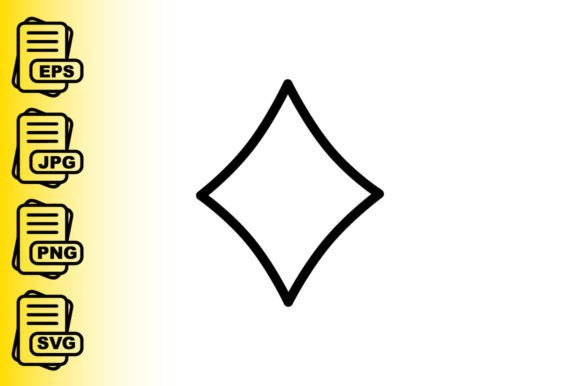
The moment you open the file, the geometry speaks for itself. The DIAMOND icon is clean, sharp, and undeniably elegant. It does not try to be cute or overly whimsical; instead, it carries a sense of luxury and precision. In the world of embroidery graphics, simplicity is often the hardest thing to execute well, yet this design manages to feel substantial without being cluttered. The lines are smooth, which suggests that when converted into stitches, the edges should remain crisp rather than jagged or blurry.
Visually, this design creates a mood of sophistication. It feels right at home in boutique branding, high-end personalized gifts, or minimalist custom apparel. It lacks the playful chaos of a cartoon character, which makes it incredibly versatile. You can place this diamond shape on a heavy-duty canvas tote bag and it looks like a statement piece. Place it on a delicate baby onesie, and it reads as a modern, chic accent. That adaptability is rare in design assets and is exactly why I am interested in seeing how it holds up under the needle.
Real-World Application: Where Does It Shine?
I have been using this design concept for several mockups and actual production runs, and it has found its strongest footing in specific categories. Let’s talk about where DIAMOND truly excels.
- Tote Bag Designs: This is perhaps the most natural fit. A large, centered diamond on a neutral-colored canvas bag is a classic look. Because the shape is geometric, it works beautifully with satin stitch outlines or dense fill stitch centers. It adds a touch of "high fashion" to what could otherwise be a plain utility item.
- Sweatshirt Embroidery: For streetwear or cozy casual wear, this icon provides a focal point that doesn’t overwhelm the garment. It sits well on the chest pocket area or centered on the back. The clean lines contrast nicely against the soft, textured surface of fleece or cotton blends.
- Baby Embroidery and Nursery Decor: While diamonds are often associated with gender-neutral palettes (greys, whites, nudes), they also pop in pastel pinks or blues. As a handmade product for a nursery wall hanging or a blanket border, the shape offers structure and calmness. It feels intentional and carefully crafted, which parents appreciate.
- Embroidered Patches: If you are creating custom patches for denim jackets or backpacks, this design translates exceptionally well. The defined edges make it easy to cut out if needed, and the symmetry ensures it looks balanced regardless of orientation.
For Etsy sellers and small shop owners, this versatility is key. You can market the same base design across multiple product lines—apparel, home decor, and accessories—without needing to create entirely new artwork. It serves as a reliable digital embroidery file staple.
Technical Considerations and Stitch Behavior
As an experienced designer, I always worry about how vector shapes convert to stitches. With DIAMOND, the primary concern is managing the stitch density. Because the shape is solid and angular, filling it completely can sometimes lead to bulkiness, especially on thinner fabrics. However, if used as an outline or a combination of running stitch and light fill, it remains lightweight and durable.
The thread colors you choose will drastically alter the perception of the design. On white fabric, a black or dark navy diamond creates a striking, high-contrast logo-like effect. On darker fabrics, you need a lighter thread to ensure the geometry isn’t lost in the shadows. I recommend testing your thread colors against your actual fabric swatches before committing to a full production run.
Another technical note involves the corners. Sharp points in embroidery can sometimes pull or distort if the hoop tension is too tight or if the stabilizer is insufficient. Using a proper stabilizer is non-negotiable here. Whether you are working with woven or knit fabrics, ensuring the fabric lies flat and stable during stitching will preserve the sharp integrity of the diamond shape.
Where to Be Cautious
No design is perfect for every situation, and DIAMOND has its limitations. Here is where I would advise holding back:
- Small Hoop Sizes: If you are trying to fit this design into a very small hoop (under 4 inches), the details might become muddy. The eye needs space to appreciate the geometry. Keep it medium-to-large for maximum impact.
- Textured Fabrics: While it works on canvas, highly textured fabrics like chunky knits or bouclé can hide the precision of the lines. The embroidery might get lost in the fabric’s own pattern.
- Curved Surfaces: Attempting to embroider this on a curved cap front requires careful digitizing to account for the curve. Without proper adjustment, the diamond might appear distorted or stretched.
- Frequent Washing: If this is for items that will undergo heavy industrial washing, ensure the stitch type is robust. Pure satin stitches on sharp points can fray over time if not reinforced.
Final Verdict for Crafters and Entrepreneurs
Is DIAMOND worth adding to your library? Absolutely. It is a timeless shape that conveys professionalism and quality. For creative entrepreneurs looking to elevate their brand identity, this icon provides a visual anchor that feels expensive and well-made.
My advice is to treat this as a foundational element. Do not just embroider it as-is; experiment with layering, different thread textures, and color blocking. Test it on scrap fabric first. Check the hoop size compatibility. Confirm the licensing terms if you plan to sell commercial embroidery products. When executed correctly, DIAMOND transforms from a simple graphic into a sophisticated finished product that customers will trust and cherish.
In a market saturated with trendy, fleeting designs, choosing a classic, geometric icon like this is a smart business move. It appeals to a broad audience, fits seamlessly into holiday embroidery collections, and maintains its relevance year after year. For any maker seeking reliability and style, this is a strong contender.