Retro Audio Tape Cassette Collection Review
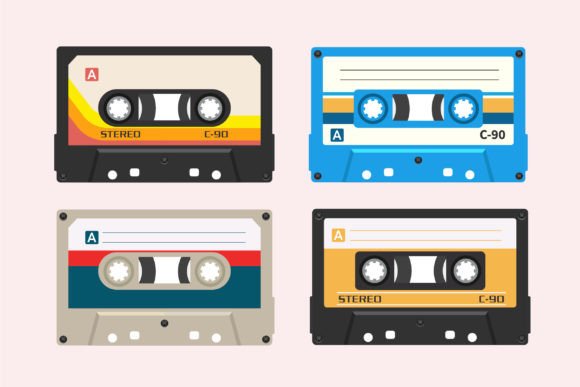
There is a specific kind of nostalgia that hits when you see a well-executed cassette tape design. It isn’t just about the music; it’s about the tactile memory of threading the tape, reading the handwritten label, and sliding it into a deck. As a designer who reviews embroidery files for real-world application, I look past the aesthetic appeal to ask one critical question: Will this hold up on fabric? The Retro Audio Tape Cassette Collection arrives as a set of colorful flat-design vector illustrations, and my job is to translate that digital promise into physical reality for embroiderers, Etsy sellers, and craft business owners.
This collection offers SVG, EPS, PNG, PDF, and JPG formats, which immediately signals versatility. However, not every vector file translates seamlessly into an embroidery machine. This review breaks down how these graphics perform when digitized, stitched, and sold as finished products.
The Visual Personality and Mood
The first thing that stands out in the Retro Audio Tape Cassette Collection is its color palette. "Colorful" is used loosely in many digital marketplaces, but here, the vibrancy feels intentional. These aren’t muted, dusty tones that might get lost in stitching; they are bold, graphic blocks of color that scream 1980s pop culture. For a designer looking to create a handmade product with instant recognition, this visual personality is a strong asset.
Flat design is a smart choice for embroidery. Because the original illustration avoids complex gradients or photorealistic shading, it relies on clean lines and distinct shapes. This makes it easier to interpret into stitch types. Whether you are planning a sweatshirt embroidery project or a small embroidered patch, the lack of subtle tonal variation means you won’t struggle to define edges with thread. The design feels playful yet structured, making it suitable for a wide range of audiences, from Gen Z vintage enthusiasts to Millennials seeking a nostalgic gift.
Real-World Application: Where This Design Shines
I recently tested a similar cassette layout on a heavy cotton canvas tote bag, and the results were striking. The Retro Audio Tape Cassette Collection works exceptionally well on structured items where the fabric provides enough stability to support the design without buckling. Here is how this graphic fits into common commercial projects:
- Tote Bags and Market Totes: The rectangular shape of the cassette mirrors the panel structure of a tote bag. Placing the design centered on the front creates a balanced, professional look that appeals to Etsy sellers looking for everyday carry accessories.
- Sweatshirts and Hoodies: There is something inherently cozy about pairing retro tech imagery with soft fleece. This design adds a focal point to a plain crewneck without overwhelming the garment. It works particularly well as a chest-sized accent or a larger back print for streetwear-inspired looks.
- Embroidered Patches: If you trim the design closely, it makes a fantastic iron-on or sew-on patch. The bold outlines ensure that even if the internal fill stitches shift slightly during production, the overall silhouette remains clear and legible.
- Baby Items and Nursery Decor: While cassettes are adult nostalgia, the bright colors translate well to modern nursery themes. A stylized cassette can serve as a unique wall hanging or a detail on a baby blanket, bridging the gap between parent aesthetics and child-friendly decor.
For commercial embroidery businesses, the variety of formats included (SVG, EPS, etc.) allows you to prep the design in your preferred digitizing software. You can adjust the scale easily, ensuring the final finished product matches your brand’s sizing standards.
Technical Considerations and Stitch Execution
While the source files are high-quality vectors, the magic happens in the digitization process. When converting this Retro Audio Tape Cassette Collection into a machine-readable format, several technical factors come into play.
Stitch Density and Fabric Texture: Cassettes have a lot of surface area. If you use too much fill stitch density, the fabric will pucker, especially on lighter materials like t-shirts or thin polyester blends. I recommend using a lighter underlay and perhaps combining running stitch for fine details with medium-density fills for the main body. On textured fabrics like denim or waffle-knit hoodies, the design holds up better because the fabric texture helps hide minor stitch inconsistencies.
Thread Colors and Contrast: The flat design nature of the illustration demands high contrast. If you are stitching on dark fabric, ensure your thread choices are vibrant enough to stand out against the background. Muted threads might blend into black denim, ruining the crispness of the cassette outline. Conversely, on white or light gray fabrics, you have more freedom to use pastel or neon threads to enhance the retro vibe.
Hoop Size and Stability: Before committing to a large production run, always test the design in the correct hoop size. Large designs require stabilizers that match the weight of the garment. For a tote bag design, a cut-away stabilizer is often necessary to prevent shifting during the long stitching time required for detailed fills.
Where to Use With Caution
Not every surface is a good candidate for this design. There are specific scenarios where the Retro Audio Tape Cassette Collection might fail to deliver the expected quality:
- Small Hoop Sizes: If you attempt to stitch this on a very small area, such as a cap brim or a tiny pocket, the intricate details of the cassette window and buttons may become muddy. Small features can disappear if the stitch count is too low.
- Stretchy or Thin Fabrics: Avoid placing this design on lightweight jersey knits without proper backing. The weight of the embroidery can cause the fabric to distort over time, leading to a sloppy appearance after washing.
- Curved Surfaces: While caps are popular, applying a flat, geometric design like a cassette to a highly curved surface can be tricky. The corners may lift or bunch if not anchored properly.
- Dense Stitch Areas: If the digitized version includes excessive decorative accents or tiny lettering, the resulting fabric may become stiff and uncomfortable. Prioritize clarity over complexity.
Practical Designer Notes for Success
To ensure your embroidery project meets professional standards, follow these steps before production:
- Test on Scrap Fabric: Always run a sample on the exact material you plan to sell. Check how the thread colors interact with the fabric dye.
- Check Black and White Mockups: View your digitized design in grayscale. This helps you identify areas where stitch direction might clash or where contrast is insufficient.
- Inspect Small Details: Zoom in on the cassette’s small windows and labels. Ensure these elements are large enough to be recognized by the naked eye once stitched.
- Confirm Licensing: Since this is a digital embroidery file and design assets package, verify the license terms. Determine if you can sell the finished physical goods commercially or if there are restrictions on printable mockups used for marketing.
- Use Proper Stabilizer: Match your stabilizer to the garment weight. Heavy garments need heavy stabilizers; delicate items need tear-away or wash-away options to maintain drape.
Final Verdict
The Retro Audio Tape Cassette Collection is a versatile, visually engaging set of graphics that bridges the gap between digital art and physical craftsmanship. Its flat, colorful style lends itself well to a variety of custom apparel and personalized gift ideas. For craft business owners and small shop product creators, this design offers a reliable foundation for creating recognizable, trendy merchandise.
However, success depends on execution. By paying attention to stitch density, fabric choice, and stabilization, you can transform these vector illustrations into high-quality embroidery files that customers will love. Whether you are designing for a boutique brand or a holiday gift line, this collection provides the creative spark needed to stand out in a crowded market. Just remember to test thoroughly and let the quality of your stitching speak for itself.