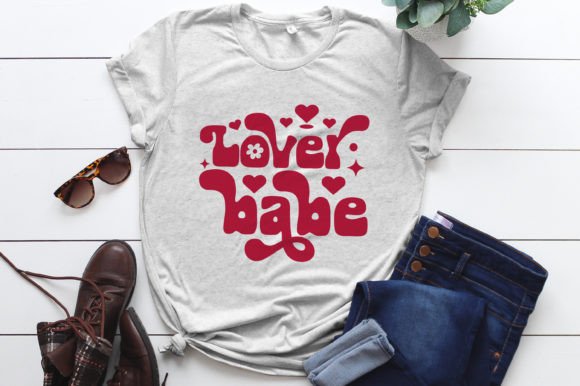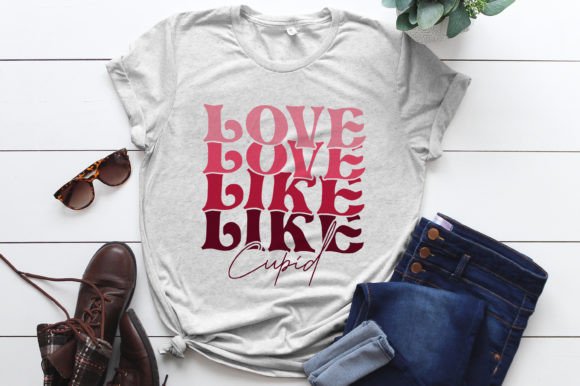
Retro Valentine Shirts Embroidery Review
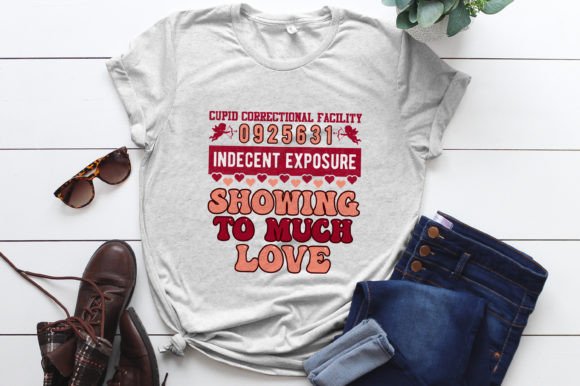
When I first opened the file for Retro Valentine s Day Shirts, my initial reaction was one of cautious optimism. As a designer who has stitched thousands of files, I know that "retro" can easily tip into "dated" or "cluttered" if not executed with precision. However, this particular design strikes a balance that is increasingly rare in the digital marketplace. It feels less like a generic clip-art stamp and more like a curated graphic asset waiting to be translated into thread. The visual personality here is warm, nostalgic, and distinctly playful, making it an excellent candidate for seasonal commercial work.
The core strength of this design lies in its layout and detail level. Unlike many holiday-themed graphics that rely on heavy, dense fills which can overwhelm a garment’s drape, this piece appears to utilize negative space effectively. For those of us working in custom apparel and small shop product creation, this distinction is vital. A design that breathes looks more professional on a finished item than one that sits heavily on the fabric. The mood created is inviting—it screams comfort, which is exactly what you want when marketing personalized gifts or boutique merchandise during the February rush.
Real-World Application: From Screen to Stitch
To truly understand how Retro Valentine s Day Shirts performs, we have to move beyond the screen and imagine it on actual substrates. Let’s look at a specific scenario: preparing a batch of custom embroidered tote bags for a local craft fair or an Etsy listing. Tote bags are a staple for Etsy sellers and craft business owners because they are versatile, but they present unique challenges regarding fabric texture and stability.
If I were to place this design on a canvas tote, the retro aesthetic would pop beautifully against the natural beige or black cotton canvas. The key here is the contrast between the graphic’s lines and the rougher weave of the bag. Because the design relies on clear shapes rather than microscopic details, it translates well to the slightly uneven surface of a tote. I would recommend using a cut-away stabilizer to ensure the bag doesn’t pucker after washing, a common complaint from customers buying handmade product lines.
Another strong use case is sweatshirt embroidery. Imagine a crewneck sweatshirt in heather grey or burgundy. The retro theme fits perfectly with the cozy, vintage vibe of fleece or cotton-blend fabrics. When stitching on thicker materials, the design’s structure needs to hold up without looking lost in the pile. Based on the visual weight of the original graphic, this design seems robust enough to handle medium-density stitches without losing its character. It adds a touch of personality to what could otherwise be a plain, mass-produced garment, elevating it to a finished product that feels bespoke.
Where to Exercise Caution
No design is perfect for every substrate, and being honest about limitations is part of responsible design review. There are specific scenarios where Retro Valentine s Day Shirts might struggle if you aren’t prepared.
- Small Hoop Sizes: If you are attempting to stitch this on very small items like baby socks or tiny hair bows, you may run into issues with scaling. Reducing the size too much can cause fine details to merge, especially if the design uses thin running stitch elements. Always test at your intended final size before committing to production.
- Stretchy and Thin Fabrics: While this design works well on stable fabrics like canvas or fleece, applying it to thin, stretchy synthetics (like certain athletic wear) requires extra care. Without proper hooping technique and high-quality stabilizer, the tension can distort the retro shapes, making them look warped rather than stylized.
- Dark Fabric Contrast: The success of any embroidery project hinges on thread color selection. If you are stitching this on dark fabric, you must ensure your chosen thread colors provide sufficient contrast. A light pastel palette might get lost on navy or black, whereas bold, saturated retro tones would shine. This is particularly important for commercial embroidery where brand consistency matters.
- Dense Stitch Areas: If the design includes large blocks of fill stitch, be mindful of the underlying fabric. On textured fabrics like terry cloth or thick wool, dense stitching can sometimes sink in or create an uncomfortable lump. For these materials, a lighter stitch density or a combination of satin stitch outlines with sparse fill often yields a cleaner result.
Technical Notes for the Designer
Before you load this file into your machine, there are several practical steps you should take to ensure a smooth workflow. First, always test the design on scrap fabric that matches the type and weight of your final material. This allows you to inspect small details and check for any potential registration errors before you waste time on a customer’s order.
It is also wise to review the stitch density in your digitizing software. While the visual preview looks good, the actual stitch count determines how the design behaves physically. If the density seems high for the intended fabric, consider adjusting the underlay stitches or reducing the fill percentage slightly to improve flexibility.
Additionally, inspect the design in black and white mockups. This helps you evaluate the composition and balance independent of color. Sometimes, a design looks vibrant in full color but lacks structural integrity when viewed as pure shape. This step is crucial for ensuring that the visual appeal holds up regardless of the thread colors you choose to implement.
Finally, confirm the licensing terms. The description mentions "Trademarks And Copyright Free quotes," which is promising, but as a professional, I always advise verifying the scope of use. Ensure you have the right to sell finished items made from this digital embroidery file, especially if you are incorporating it into a larger collection or using it for branding purposes. Clarity on commercial rights protects your creative entrepreneur business from future legal complications.
Final Verdict
Retro Valentine s Day Shirts is a solid addition to any design assets library aimed at the seasonal market. It offers a distinct aesthetic that stands out from the typical hearts-and-arrows clichés, providing a fresh angle for holiday embroidery projects. Whether you are creating baby embroidery items, aprons, or pillow covers, this design brings a sense of warmth and nostalgia that resonates with buyers.
Its versatility across various substrates—from tote bag design applications to caps and kitchen towels—makes it a valuable tool for apparel decorators and makers looking to expand their inventory. By paying attention to fabric choice, stabilizer support, and thread contrast, you can transform this graphic into a high-quality embroidered patch or garment decoration that customers will love. It is a practical, stylish, and commercially viable option for anyone looking to capitalize on the Valentine’s Day season with professionalism and flair.