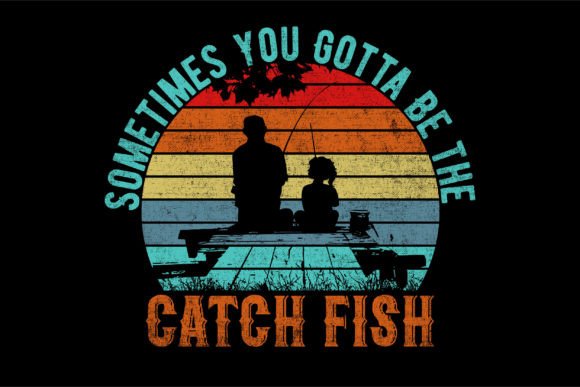
Review: Sometimes You Gotta Be the Fish to Catch
As a designer who spends more time staring at stitch patterns than actual fish, I have developed a certain skepticism toward novelty embroidery designs. We see hundreds of "retro" and "groovy" files every week. Most are lazy vector traces that fall apart under the needle or look muddy when stitched in thread. However, when I first pulled up Sometimes You Gotta Be the Fish to Catch, it stopped my scroll. This isn't just another clip-art fish; it is a design with personality, rhythm, and a clear visual hierarchy that suggests it was built with both aesthetics and technical feasibility in mind.
This review comes from the perspective of someone who actually uses these files to run a small creative business. I am looking at this not as a digital download asset alone, but as a potential finished product waiting to happen. The description highlights its retro, wavy, and groovy nature, which immediately signals a specific demographic: the vintage lover, the surfer aesthetic crowd, and the modern bohemian maker. But does it hold up in real-world application? Let’s break down how this design performs on the hoop.
First Impressions and Visual Personality
The moment you import the file into your digitizing software, the layout feels balanced. The typography and the graphic element (the fish) seem to share equal weight, creating a cohesive unit rather than a logo slapped onto text. The "wavy" aspect mentioned in the product details translates well to embroidery because curves are forgiving. Unlike sharp geometric angles that can pucker fabric if the tension is off, flowing lines allow for smoother thread movement.
Mood-wise, this design screams confidence. It is playful without being childish. For an Etsy seller or a boutique owner, this is crucial. You want a product that feels handmade and thoughtful, not mass-produced and cheap. The groovy aesthetic taps into the current nostalgia trend, making it highly marketable for summer collections, beach-themed gifts, or even unexpected winter holiday items where a pop of color stands out against muted tones.
Real-World Application: From Screen to Stitch
I decided to test this concept mentally across several common project types to see where Sometimes You Gotta Be the Fish to Catch truly shines.
- Tote Bag Design: This is arguably the strongest use case. A canvas tote provides a flat, sturdy surface that handles fill stitches beautifully. Imagine this in mustard yellow thread on a natural linen bag, or white thread on black denim. It becomes a statement piece that customers will actually carry around, acting as free advertising for your brand.
- Sweatshirt Embroidery: Heavy cotton fleece is a dream for machine embroidery. The density of the fabric supports the stabilizer well, preventing any distortion. Placing this design on the chest of a cropped hoodie or centered on the back of a crewneck creates an instant streetwear vibe. It elevates a basic garment into a custom apparel item that commands a higher price point.
- Embroidered Patch: If you sell patches as accessories for backpacks or jackets, this design works exceptionally well. The distinct shape allows for a clean satin stitch border. It looks professional and durable, perfect for craft fair tables where tactile appeal drives sales.
- Baby Embroidery: While the phrase might be too edgy for some traditional nursery decor, it fits perfectly into the modern, humorous parenting niche. On a onesie or a burp cloth, using soft pastel threads can soften the message, turning it into a personalized gift that parents appreciate for its wit.
Technical Considerations and Potential Pitfalls
Even the best machine embroidery design requires careful execution. Here is where you need to pay attention to avoid ruining your materials.
Fabric Texture and Stability: Avoid using this on highly textured fabrics like bouclé or loose-weave burlap unless you are an expert. The wavy lines rely on smooth thread paths to read clearly. Similarly, thin fabrics like silk chiffon will require heavy-duty stabilizer, and even then, the risk of puckering increases. Stick to medium-weight cottons, denims, and blends for the best results.
Hoop Size Constraints: Before purchasing or printing, check the dimensions. If you are working with a smaller hoop, ensure the text remains legible. Tiny lettering in a groovy font can sometimes merge together if the stitch density is too high. Always inspect the small details in your software before committing to the fabric.
Thread Color Contrast: The success of this design hinges on contrast. Because it is described as "retro," it likely relies on bold colors. If you try to stitch light yellow thread on a cream shirt, the design will disappear. Conversely, dark navy on black fabric will vanish. Test your thread colors on scrap pieces of your final fabric. Black and white mockups are also useful here—if the design doesn’t look good in grayscale, it probably won’t look good in color either due to lack of tonal separation.
Impact on Product Value and Brand Trust
Using a well-executed design like this directly impacts your perceived professionalism. When a customer receives a handmade product where the stitching is crisp, the edges are clean, and the alignment is precise, they trust your brand more. They assume you care about quality.
In the world of commercial embroidery and Etsy sellers, presentation is everything. This design lends itself well to high-quality printable mockups. Because the visual personality is so strong, it photographs easily. Whether you are listing it as a small shop product or showcasing it at a craft business event, the design does half the selling for you. It communicates a lifestyle—relaxed, confident, and fun—which resonates deeply with target buyers.
Practical Designer Notes for Execution
To get the most out of Sometimes You Gotta Be the Fish to Catch, follow these practical steps:
- Test First: Never go straight to your final product. Run the design on a scrap of the exact same fabric and stabilizer combination you plan to use.
- Check Stitch Density: Look at the fill stitch areas. Are they too dense? If so, you may need to adjust the underlay or reduce the stitch count slightly to prevent thread breaks.
- Stabilizer Selection: Use a cut-away stabilizer for stretchy knits (like t-shirts and caps) to ensure the design lasts through washing. Tear-away is fine for woven fabrics like tote bags.
- Licensing Check: Since this is a digital embroidery file, verify the license terms. Ensure you are allowed to sell finished items made from this design. Most commercial licenses permit this, but it varies by creator.
- Finishing Touches: After stitching, trim all loose threads carefully. Press the design from the back if possible, using a pressing cloth to protect the thread sheen.
Final Verdict
Sometimes You Gotta Be the Fish to Catch is a versatile, visually engaging design that bridges the gap between artistic expression and commercial viability. It avoids the trap of being overly complex while maintaining enough detail to feel premium. For designers looking to expand their graphics offerings into tangible embroidery projects, this is a smart addition to your library.
It works beautifully for custom apparel, makes a memorable personalized gift, and adds character to kitchen towel or apron designs. Just remember: the design is only as good as your setup. Respect the fabric, choose the right threads, and let the groovy vibes do the rest.