Spooky Vibes, Halloween T-shirt Review
As a designer who spends more time than I care to admit staring at stitch density charts and fabric swatches, I approach every new T-Shirt Designs category asset with a healthy dose of skepticism. The market is flooded with generic clipart that looks fine on a screen but falls apart under the needle. However, when I pulled up the Spooky Vibes, Halloween T-shirt design for a closer look, my interest was piqued. This isn’t just another vector file; it carries a distinct retro energy that feels ready for real-world application. I wanted to test this concept not just as a digital graphic, but as a potential embroidery project for small business owners, Etsy sellers, and crafters looking to add value to their holiday inventory.
The First Impression: Mood and Visual Personality
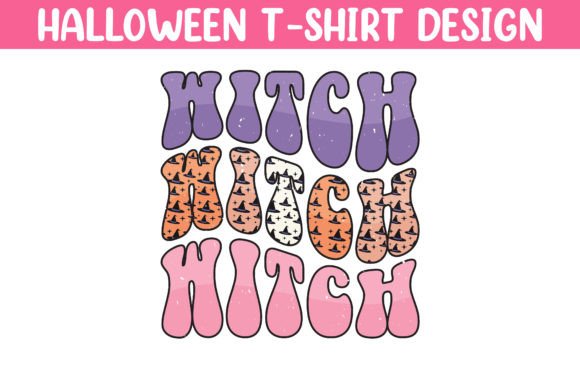
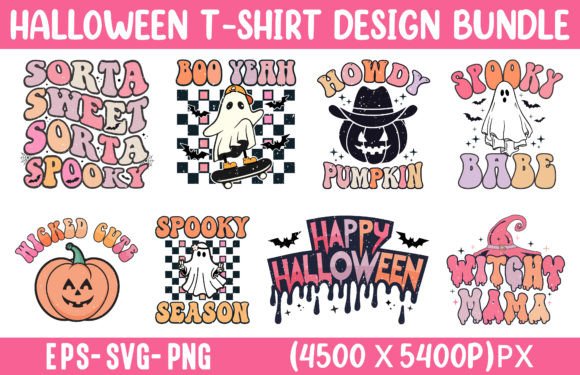
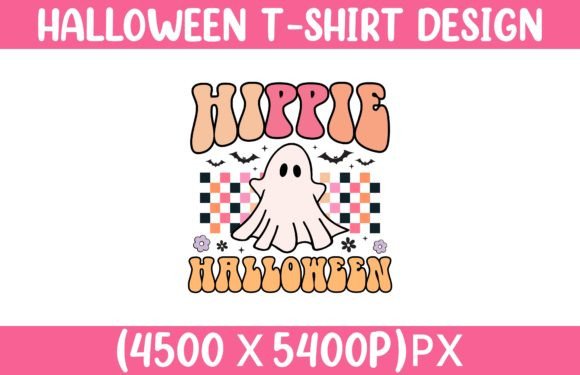
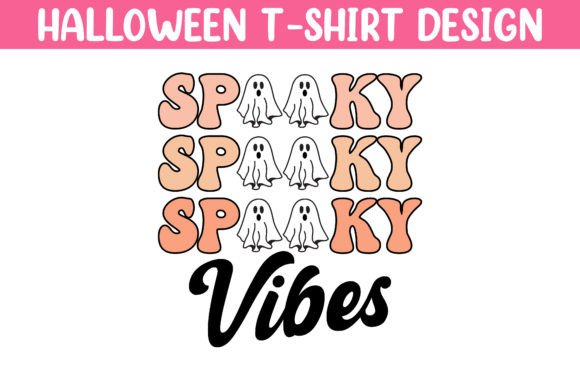
The moment you open the ZIP file containing the transparent PNG and editable vector, the vibe hits you. It’s playful, nostalgic, and undeniably festive without being overly aggressive or scary. For an embroidery designer, the layout is clean, which is exactly what you want when translating digital art into thread. The "Spooky Vibes" title suggests a lighthearted take on Halloween, making it versatile enough for a wide range of audiences. Unlike dark, gothic themes that might alienate younger customers or those looking for subtle holiday decor, this design leans into the fun side of the season.
Visually, the shape and detail level are balanced. It doesn’t rely on tiny, intricate lines that often blur during stitching. Instead, it uses bold shapes and clear typography, which translates beautifully into satin stitch and fill stitch applications. The visual personality is confident yet approachable, suggesting that this design would perform exceptionally well on custom apparel like sweatshirts and t-shirts, where the wearer wants to express their love for the holiday in a stylish way.
Real-World Application: From Screen to Stitch
Let’s talk about how this design actually performs in a production environment. I imagine using this machine embroidery design for a variety of products beyond just standard tees. For instance, consider creating a line of embroidered patches for denim jackets or canvas tote bags. The retro aesthetic pairs perfectly with the rugged texture of denim, adding a touch of whimsy to a utilitarian garment. Similarly, for tote bag design projects, this graphic offers high contrast and readability, ensuring the message is clear even from a distance at a craft fair.
I also see strong potential in the nursery and baby market. A softer interpretation of this design could work wonders for baby embroidery items like muslin blankets or hooded towels. Parents often look for holiday-specific gifts that aren’t too intense, and the "happy Halloween" sentiment fits that niche perfectly. When stitched onto organic cotton baby clothes, the design adds a layer of professionalism and thoughtfulness that can boost customer trust and perceived value.
Furthermore, this asset is ideal for holiday embroidery collections aimed at home decor. Picture this design stitched onto a flour sack towel or a pillow cover for a kitchen setting. The retro vibe complements farmhouse-style interiors, making it a smart addition for small shop product lines targeting seasonal decor enthusiasts. The ability to use this as a personalized gift option—perhaps adding a name or date alongside the spooky theme—can significantly increase its appeal to buyers looking for unique, handmade presents.
Where to Exercise Caution
While the design has many strengths, no digital embroidery file is perfect for every surface. There are specific scenarios where you need to be careful. If you plan to use this on curved surfaces like baseball caps, ensure your hoop size and stabilizer choice can handle the tension without distorting the retro text. The lettering, while generally bold, may have smaller details that require precise stitch density adjustments to remain legible.
Textured fabrics, such as heavy fleece or boucle wool, can hide the finer points of the design. In these cases, the contrast between the thread and the fabric becomes crucial. You must check thread colors carefully; a low-contrast thread choice might cause the design to disappear into the material. Additionally, if you are working with thin or stretchy fabrics, the weight of the stitches could cause puckering. Always test on scrap fabric first to evaluate how the stabilizer interacts with your specific material.
Avoid using this design for products that require frequent, heavy-duty washing unless you are confident in your finishing techniques. While the design itself is durable, the longevity of any finished product depends on proper stitching and fabric care. Also, be mindful of dense stitch areas; if the design includes large blocks of fill stitch, ensure your machine can handle the thickness without breaking needles or jamming threads.
Impact on Brand and Sales
Incorporating a high-quality design assets package like this into your catalog does more than just add a new item; it elevates your brand consistency. Customers can tell the difference between mass-produced, low-effort graphics and designs that show thoughtful consideration for printability and stitchability. When you present this design in printable mockups or digital product previews, the clarity of the image helps build buyer engagement. It signals that you are a professional who understands the nuances of craft business operations.
For Etsy sellers and commercial embroidery artists, this design offers flexibility. It can serve as a standalone embroidery file for direct sale, or as part of a bundled collection. The retro theme has broad recognition, which aids in searchability and discovery. By offering this design on various substrates—from sweatshirt embroidery to apron decoration—you tap into multiple customer segments simultaneously. The key is to highlight the versatility of the design in your listings, showing potential buyers how it can transform everyday items into special keepsakes.
Practical Designer Notes
Before you rush to digitize or sell this design, keep these practical tips in mind. First, always inspect the small details in the vector file. Ensure that curves are smooth and corners are sharp, as these will dictate the quality of the final stitch. Second, review the stitch density recommendations if provided; if not, you may need to adjust the settings manually based on your machine’s capabilities.
Test the design in black and white mockups to check for contrast issues. This simple step can save you from producing batches of unusable products. Confirm whether the design works for both personal and commercial projects by reviewing the licensing terms included in the ZIP file. Do not assume rights; verify them explicitly before listing any handmade product for sale.
Finally, experiment with different thread colors to see how they interact with the design’s mood. A classic black thread might emphasize the spooky aspect, while a bright orange or purple could enhance the festive, happy vibe. By taking the time to test and refine, you ensure that your embroidery project meets the highest standards of quality and aesthetics.