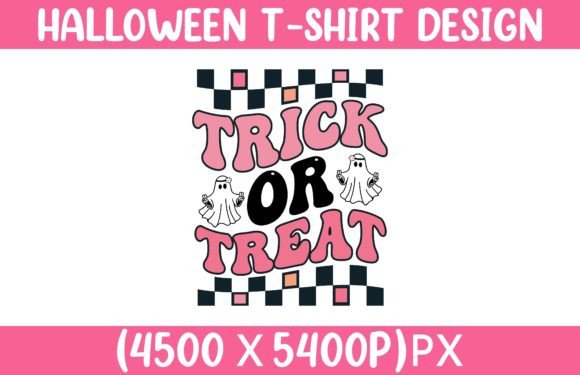
Trick or Treat Halloween Sublimation Tee
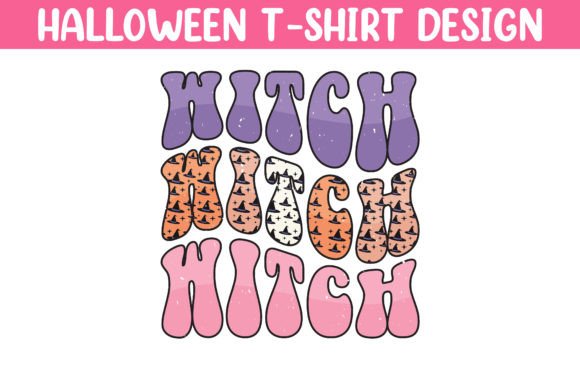
As an embroidery designer who spends more time staring at stitch patterns than sleeping, I approach every new digital asset with a healthy dose of skepticism. The market is flooded with "ready-to-stitch" graphics that look beautiful on a screen but fall apart under the needle. When I first pulled up Trick or Treat Halloween Sublimation Tee, my initial instinct was to check the resolution and the structural integrity of the vector paths before even thinking about thread colors. This isn't just another clip-art image; it is a T-Shirt Designs graphic that carries a specific mood—one that screams festive, retro charm without tipping into cheesy territory.
The title alone suggests a sublimation focus, which typically implies all-over printing on polyester. However, in our world of fiber arts, we often repurpose these high-quality raster vectors for digitizing or using them as reference art for complex machine embroidery projects. What stands out immediately is the visual personality. It captures the essence of happy Halloween through a nostalgic lens. For small business owners and Etsy sellers looking to expand their seasonal catalog, this design offers a versatile foundation. It feels like a piece that could easily transition from a digital mockup to a tangible, cherished handmade product.
First Impressions and Visual Mood
The first thing you notice about Trick or Treat Halloween Sublimation Tee is its composition. It doesn’t scream for attention with aggressive neon colors or overly detailed horror elements. Instead, it whispers with a cozy, inviting energy. This is crucial for the current market trend where consumers are leaning toward "cozy autumn" vibes rather than scary aesthetics. The layout is balanced, which makes it incredibly forgiving when you are planning your hoop size and placement.
For a designer, the clean lines and distinct shapes suggest that if this were to be digitized, it would translate well into standard stitches. The retro vibe allows for a wide range of thread colors. You aren't locked into a specific palette; you can interpret the design with traditional orange and black, or go modern with pastel purples and teals. This flexibility is a huge plus for boutique branding, allowing shop owners to match their existing colorways while still offering a fresh seasonal item.
Real-World Application: From Screen to Stitch
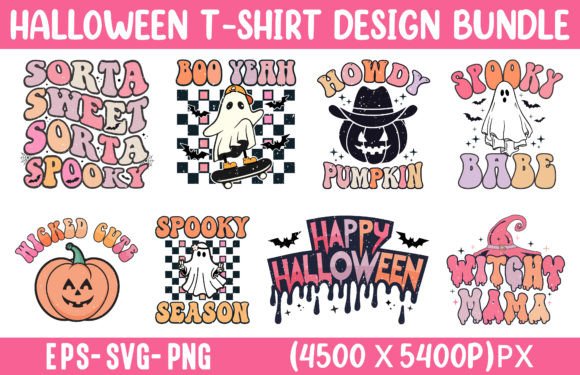
Let’s talk about how this design performs in a real project scenario. Imagine you are preparing inventory for a holiday craft fair. You have decided to create a line of custom apparel featuring this theme. Because the source is a high-resolution PNG (4500px by 5400px), you have plenty of room to scale it down for smaller items or keep it large for statement pieces.
I envision this design shining on a heavyweight cotton sweatshirt. The retro aesthetic pairs perfectly with vintage-wash fabrics. When stitching this onto a garment, the stitch density becomes a critical factor. If you are creating an embroidered patch version, you might use a combination of satin stitch for outlines and fill stitch for the main body. The design’s clarity ensures that even at smaller scales, the key elements remain recognizable. This is vital for customer trust; buyers want to see exactly what they are getting in the final finished product.
Beyond apparel, this graphic has potential beyond the shirt. While labeled as a tee design, its thematic strength makes it suitable for tote bag design variations. A canvas tote embroidered with this motif becomes an instant impulse buy at a pop-up shop. It also works beautifully for baby embroidery projects, such as onesies or burp cloths, where the "trick or treat" theme is adorable rather than spooky. The softness of the retro style bridges the gap between adult fashion and nursery decor, expanding your target audience significantly.
Technical Considerations and Potential Pitfalls
No design is perfect, and as a reviewer, I must highlight where caution is needed. While Trick or Treat Halloween Sublimation Tee is visually appealing, it requires careful handling depending on the fabric texture. If you plan to embroider this directly onto thin or stretchy fabric, you will need a strong stabilizer to prevent puckering. The retro style often relies on smooth curves, which can distort if the fabric stretches during the hooping process.
Another area to watch is small details. Although the vector source is high quality, once converted into an embroidery file, tiny text or intricate background elements can get lost in the thread work. I always advise testing the design on scrap fabric first. Check the contrast between your chosen thread colors and the base fabric. On dark fabrics, light threads might require an underlay or a different stitch type to ensure visibility. Conversely, on light fabrics, dark threads might bleed through if the stitch density is too low.
Also, consider the end-use of the product. If this is intended for a kitchen towel or a frequently washed apron, durability is key. Ensure that the digitization includes proper trim commands and secure start/end points. For commercial embroidery projects, you want to minimize thread breaks and maintenance calls. A design that looks good on day one but frays after three washes will hurt your reputation as an Etsy seller or small shop owner.
Practical Designer Notes for Success
To get the most out of this asset, follow these practical steps before committing to a full production run:
- Test on Scrap Fabric: Never assume a design will stitch out perfectly the first time. Run a test on the exact fabric you plan to use.
- Check Black and White Mockups: Convert the design to grayscale to ensure there is enough contrast between elements. This helps identify areas where stitches might merge unintentionally.
- Review Stitch Density: High-density fills can make garments stiff and uncomfortable. Aim for a balance between coverage and drape.
- Confirm Licensing: Before selling finished items, verify the commercial use rights of the original graphic. Even though you are adding value through digitization and labor, the base asset must allow for resale.
- Compare Backgrounds: Test the design against both light and dark backgrounds to see how the negative space interacts with the embroidery threads.
Final Verdict
Trick or Treat Halloween Sublimation Tee is a solid choice for designers looking to add a touch of nostalgia to their Halloween collections. It is not just a generic holiday clip art; it has character, versatility, and a professional finish that translates well into various mediums. Whether you are creating a personalized gift for a client or mass-producing small shop products for the season, this design provides a reliable starting point.
Its strength lies in its adaptability. It works as a standalone embroidery project or as part of a larger coordinated set. By paying attention to technical details like stabilizer choice and thread selection, you can elevate this simple graphic into a premium handmade product that customers will love. For creative entrepreneurs who value both aesthetic appeal and practical execution, this design earns a place in the seasonal rotation. It reminds us that sometimes, the best designs are those that evoke a feeling—nostalgia, joy, and the simple fun of happy Halloween—rather than just displaying a logo.
In conclusion, if you are ready to update your design assets for the upcoming season, this is a worthy addition. It respects the craft of embroidery while offering the visual punch needed to stand out in a crowded marketplace. Just remember to respect the fabric, choose your threads wisely, and always prioritize the wearer’s comfort. That is how you build a brand that lasts beyond the holiday season.