Yellow Black Vintage Background Embroidery Review
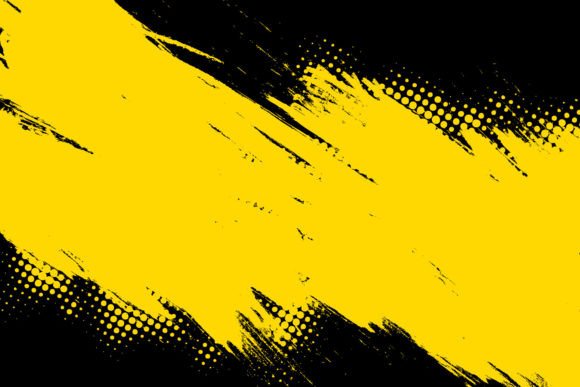
When I sit down to evaluate a new machine embroidery design, my first instinct is always practical: does this hold up under the needle? Does it translate well from a digital screen to physical thread? Today, I am looking closely at the Yellow Black Vintage Background. This piece falls into the Backgrounds and Graphics categories, described as an abstract geometric yellow frame with a grunge texture and dot halftone pattern on a black background. It has a distinct horizontal layout and a retro or vintage style vector illustration feel. But how does that look when it is stitched onto fabric?
I have spent years reviewing designs for everything from high-end boutique apparel to quick craft fair items. My goal here is to give you the real-world perspective of a designer who needs their products to sell and last. If you are an Etsy seller, a small business owner, or a crafter looking to add some edge to your handmade goods, read on to see if this embroidery file deserves a spot in your library.
First Impressions and Visual Personality
The moment you load this design, the mood is immediately established. The contrast between the vibrant yellow and the deep black creates a striking visual impact. In the world of custom apparel, bold contrasts are often what grab attention, especially in crowded marketplaces like Etsy or at local craft fairs. The "grunge" aspect suggests a raw, urban, or industrial aesthetic, which is trending heavily in streetwear and modern home decor.
The geometric frame structure provides a solid anchor for the design. Unlike freeform artistic patterns that can sometimes look messy when stitched, this structured approach offers clarity. However, the inclusion of a "dot halftone pattern" adds a layer of complexity. Halftones rely on spacing and density to create the illusion of shading. In embroidery, this translates directly to stitch placement. It promises a textured, tactile finish that feels more premium than a flat satin block. For a handmade product, this texture adds perceived value, making the item feel thoughtfully designed rather than mass-produced.
Real-World Application: Where This Design Shines
Let’s talk about actual projects. I imagine this Yellow Black Vintage Background performing exceptionally well on specific items where its retro vibe and bold colors can truly pop. Here are a few scenarios where I would confidently use this design:
- Custom Tote Bag Design: A canvas tote is a staple for any craft business. The horizontal layout fits perfectly across the front panel. The yellow against a black or dark grey canvas bag would look incredibly chic and modern. It works as a standalone statement piece without needing additional text.
- Sweatshirt Embroidery: Think of oversized hoodies or crewnecks. The grunge texture pairs beautifully with the soft, slightly fuzzy surface of French terry fabric. Placed on the chest or centered on the back, it gives off a cool, effortless vibe that appeals to younger demographics.
- Embroidered Patch: Because the design is framed, it naturally lends itself to being used as a patch. You could stitch this onto denim jackets, backpacks, or even as a decorative element on beanies. The strong outline helps define the shape, making it easy to cut out (if using tear-away stabilizer) or leave as a finished edge.
- Kitchen Towels and Aprons: For the home decor market, this design brings a playful yet sophisticated touch. On a black apron, the yellow frame acts as a bright accent, perfect for a coffee-themed shop or a modern kitchen brand.
- Baby Embroidery: While black and yellow might seem stark, it is actually a classic color combination for nursery decor. Used subtly on a baby blanket or a onesie, the geometric nature keeps it gender-neutral and timeless.
In these contexts, the design enhances brand consistency. If you are building a brand around vintage aesthetics, urban culture, or minimalist geometry, this asset fits right in. It signals professionalism to the buyer because it looks intentional and balanced.
Technical Considerations and Potential Pitfalls
No design is perfect for every situation. As an experienced reviewer, I need to highlight where you should exercise caution. The success of this project depends heavily on your execution.
Fabric Choice Matters: This design relies on contrast. If you attempt to stitch this on light-colored fabric, the black elements may disappear or require excessive backing, leading to stiffness. Stick to dark fabrics—black, charcoal, navy, or deep burgundy—to let the yellow frame shine. Also, be mindful of fabric texture. Highly textured fabrics like heavy wool or loose-weave burlap can obscure the fine details of the halftone dots. Smooth cottons, linens, and blends are ideal.
Hoop Size and Detail: The description mentions a horizontal layout, but does not specify exact dimensions. You must check the hoop size compatibility before starting. If you are working with a smaller hoop, ensure the design scales down without losing the integrity of the halftone pattern. Tiny dots can merge together if the stitch density is too high or if the resolution is low, resulting in a muddy blob rather than a crisp pattern.
Stitch Density and Stabilizer: Grunge textures often involve varied stitch types. You will likely see a mix of fill stitch for the solid areas and perhaps running stitch or tiny satin stitches for the halftone effect. Ensure you are using the correct stabilizer for your fabric weight. For stretchy materials like jersey knits used in sweatshirt embroidery, a cut-away stabilizer is non-negotiable to prevent puckering. If the design is dense, consider trimming excess threads carefully to maintain a clean finish.
Curved Surfaces: While this design could work on a cap, curved surfaces distort rectangular frames. If you plan to use this on a hat, you may need to adjust the design angle or scale it significantly to fit the curve without warping the geometric lines. Test this thoroughly.
Designer Notes for Success
Before you commit to a full production run or a personalized gift, follow these practical steps to ensure quality:
- Test on Scrap Fabric: Always run a test stitch on the same type of fabric you intend to use. This allows you to check thread colors and see how the black and yellow interact physically.
- Check Stitch Density: Zoom in on the design file. Are there areas where stitches overlap excessively? High density can cause needle breakage or fabric distortion, especially in detailed corners.
- Black and White Mockup: Convert the design to grayscale in your software. This helps you visualize the contrast levels without the distraction of color. If the halftone pattern disappears in black and white, it might struggle in embroidery.
- Licensing Verification: If you are planning to sell finished products or use this as part of a digital product package, double-check the license terms. Commercial use rights vary by creator. Do not assume standard personal licenses allow for resale.
- Thread Quality: Use high-quality polyester or rayon threads. Cheap threads can shed or break, ruining the delicate halftone effect. The sheen of rayon will enhance the vintage appeal of the yellow frame.
Final Verdict
The Yellow Black Vintage Background is a versatile, stylish asset that bridges the gap between graphic design and textile art. Its strong geometric framework and contrasting color palette make it suitable for a wide range of commercial embroidery projects. From tote bags to holiday gifts, it offers a professional finish that customers appreciate.
However, it requires technical precision. It is not a "set it and forget it" design for beginners working with difficult fabrics. But for those who understand stabilizers, hoop sizes, and thread choices, this design can elevate a simple garment into a standout handmade product. It is a smart addition to any designer’s toolkit, particularly for those targeting the vintage, urban, or minimalist markets.
If you are looking to add a touch of retro flair to your Etsy listings or small shop products, this graphics element delivers on both style and substance. Just remember: the key to great embroidery is preparation. Test, refine, and then create something beautiful.