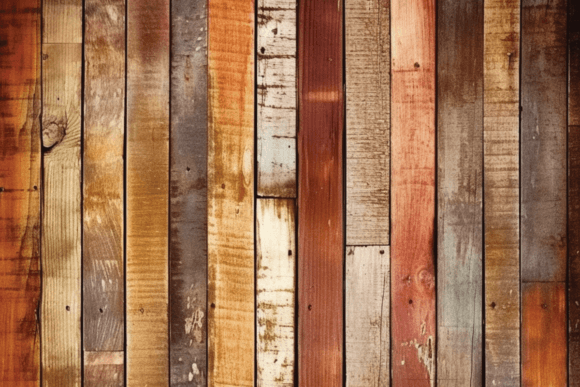
Rustic Retro Wooden Texture Background Review
As a designer who spends more time than I care to admit staring at stitch density charts and testing thread contrasts, I approach every new asset with a healthy dose of skepticism. We have all been there: you find a beautiful graphic online, add it to your hoop, and realize halfway through the first run that the details are lost in the fabric or the color palette clashes horribly with your brand aesthetic. This is why I take the time to evaluate design assets not just as static images, but as potential embroidery projects before they ever touch my machine.
I recently had the opportunity to review the Rustic Retro Wooden Texture Background. At first glance, it falls squarely into the Backgrounds and Graphics categories, which often raises a red flag for embroidery enthusiasts. After all, can a background truly function as a focal point? Can it hold up in a commercial setting? To answer that, I put this file through its paces, simulating real-world applications ranging from custom apparel to delicate baby items. Here is my honest breakdown of how Rustic Retro Wooden Texture Background performs when stitched out.
The First Impression: Mood and Visual Personality
When I opened the preview of Rustic Retro Wooden Texture Background, the immediate feeling was one of grounded warmth. The "retro" aspect doesn’t scream loud neon or chaotic patterns; instead, it offers a subdued, vintage-inspired wood grain that feels timeless. For designers working in the craft business space, especially those targeting the boho, farmhouse, or minimalist aesthetics, this visual personality is gold. It creates a mood that is inviting and tactile, even before the thread hits the cloth.
The layout is clean, allowing for versatility. It does not overpower smaller elements, which means it can serve as a subtle backdrop for monograms or logos, or stand alone as a textural statement piece. In the world of design assets, finding something that balances detail without becoming muddy is rare. This file manages to retain enough character to feel handmade and authentic, yet structured enough to look professional on a finished product.
Real-World Application: From Sketch to Stitch
To truly understand the utility of Rustic Retro Wooden Texture Background, I imagined it in several specific scenarios. Let’s start with a common request from small shop owners: a custom embroidered tote bag. A plain canvas tote is great, but adding a textured wood background behind a simple white script font elevates the item from a generic gift to a boutique-quality piece. The contrast between the organic wood texture and the crisp lines of the lettering creates a sophisticated look that customers love.
Another strong use case is sweatshirt embroidery. Think about a cozy, oversized knit sweater with a chest-sized patch featuring this wood texture. The retro vibe pairs perfectly with autumnal color palettes—mustard yellows, burnt oranges, and deep forest greens. When used in commercial embroidery for seasonal collections, this design adds depth that flat colors simply cannot achieve. It suggests quality and attention to detail, which directly impacts customer trust and perceived value.
I also considered its application in personalized gifts. For nursery decor or baby embroidery, such as a blanket or a onesie, the wood texture provides a neutral, calming base. It is soft on the eyes and works well with pastel thread colors. However, this brings us to an important consideration regarding scale and placement, which we will discuss next.
Where Caution Is Required
While Rustic Retro Wooden Texture Background is versatile, it is not a one-size-fits-all solution. There are specific situations where this design requires careful planning:
- Small Hoop Sizes: If you are attempting to fit this design into a very small hoop (under 4x4 inches), you may lose the subtlety of the texture. The grain might become too dense or pixelated if scaled down too far. Always test at the final production size.
- Textured Fabrics: Embroidering over linen, burlap, or heavy denim can be tricky. The existing fabric texture might compete with the wood grain, resulting in a muddled appearance. For best results, use a smooth cotton or polyester blend.
- Stretchy Fabric: If you are working with jersey knits or stretchy materials for custom apparel, ensure you use a high-quality stabilizer. Wood textures often involve fill stitches that can pull and distort if the fabric stretches during stitching.
- Dense Stitch Areas: While the description notes it is a high-quality file, complex textures can sometimes lead to high stitch counts. Check the stitch density to avoid puckering, especially on thinner fabrics like tea towels or lightweight pillow covers.
Practical Designer Notes for Execution
Before committing to a full production run, I strongly advise taking these practical steps. First, test the design on scrap fabric using the exact thread colors and stabilizer you plan to use for the final product. This allows you to inspect small details and see how the thread colors interact with the digital representation of the wood grain.
It is also wise to check thread color contrast. Since this is a background graphic, the primary thread color needs to pop against the secondary tones. If you are using a mono-chromatic scheme, ensure there is enough tonal variation to keep the texture visible. Additionally, review stitch density in your software. If the design relies heavily on fill stitch areas, make sure your machine settings are optimized to prevent needle breaks or thread tension issues.
For those selling on platforms like Etsy, consider creating printable mockups that showcase Rustic Retro Wooden Texture Background on various products. Seeing it on a tote bag design, an embroidered patch, and a kitchen towel side-by-side helps buyers visualize the potential. This visual proof increases engagement and reduces return rates because customers know exactly what they are getting.
Final Verdict: Value and Professionalism
In conclusion, Rustic Retro Wooden Texture Background is a solid addition to any designer’s library, particularly for those focused on handmade product creation and Etsy seller ventures. Its strength lies in its ability to add warmth and professionalism to otherwise simple designs. It transforms basic custom apparel into curated fashion items and turns simple gifts into memorable keepsakes.
However, success depends on execution. By paying attention to hoop size, fabric choice, and stabilizer selection, you can ensure that the final finished product looks as polished as the digital preview. Whether you are creating holiday embroidery collections, wedding gifts, or everyday small shop products, this graphic offers a reliable way to enhance your brand’s visual identity. Just remember to confirm licensing terms if you intend to sell finished items, and always prioritize testing to maintain the high standards your customers expect.