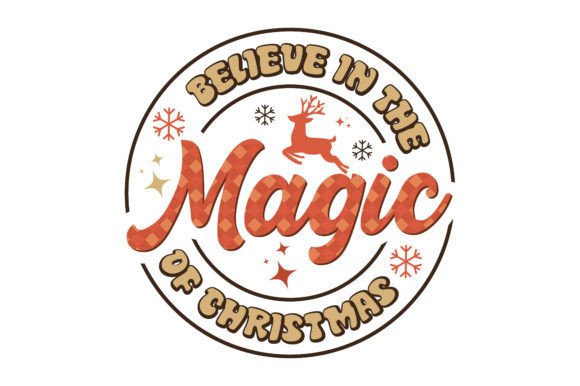
Retro Christmas Sublimation Shirt Design Review
As a designer who spends half my life staring at digitized files and the other half troubleshooting stitch errors on the hoop, I don’t just buy designs; I stress-test them. When I first pulled up Retro Christmas Sublimation Shirt Design, my immediate reaction wasn’t about the holiday cheer—it was about execution. The market is saturated with generic snowflakes and cliché reindeer, so finding a file that balances nostalgia with technical viability is rare. This particular asset, categorized under T-Shirt Designs and Graphics, promises a specific aesthetic: vintage, bold, and ready for production. But does it hold up when translated from a PNG preview to a stitched reality? Let’s break down how this design performs in real-world scenarios, from boutique inventory to personalized gifts.
First Impressions and Visual Personality
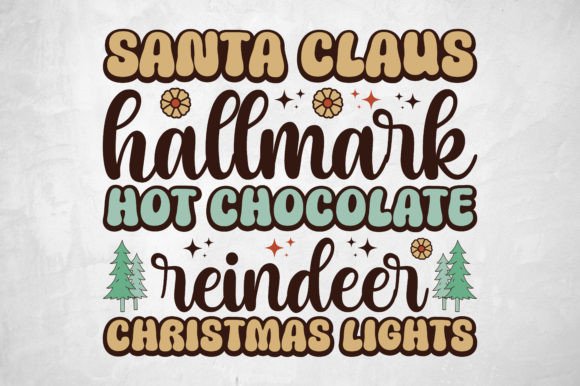
The moment you load the file into your embroidery software, the layout speaks volumes. The term "retro" here isn’t just a buzzword; it suggests a color palette and typography style rooted in mid-century or 70s aesthetics—think muted oranges, deep teals, and distressed textures that mimic old screen prints. For an embroiderer, this is tricky territory. Retro styles often rely on gradients or fine shading that do not translate well to thread. However, if this design leans into blocky shapes and high-contrast elements, it becomes a powerhouse for machine embroidery.
The visual personality of Retro Christmas Sublimation Shirt Design feels warm but structured. It doesn’t scream for attention with chaotic patterns; instead, it offers a cohesive narrative that fits perfectly into the current trend of "quiet luxury" meets "nostalgic comfort." For small business owners and Etsy sellers, this is gold. Customers are moving away from shiny, overly detailed novelty items toward pieces that feel curated and timeless. This design bridges that gap, offering holiday spirit without looking cheap or temporary.
Real-World Application: Beyond the T-Shirt
While the product title mentions a sublimation shirt, any experienced decorator knows that limiting a strong graphic to one fabric type is a missed opportunity. I’ve been thinking through how Retro Christmas Sublimation Shirt Design would perform across various mediums, and the versatility is surprisingly robust.
- Custom Apparel & Sweatshirts: This is the obvious choice, but don’t stop there. On a heavyweight cotton sweatshirt, the retro vibe amplifies the texture of the fabric. The contrast between the soft fleece and the crisp stitches creates a premium feel. It works exceptionally well as a chest logo or a large back print, turning a basic garment into a statement piece for holiday parties or family gatherings.
- Embroidered Patches & Caps: One of my favorite uses for bold, self-contained graphics like this is creating embroidered patches. If the design has clear borders, it can be digitized as a patch with a whipstitch edge. These sell incredibly well on craft fair tables attached to denim jackets or beanies. The retro theme pairs naturally with dad hats or structured caps, appealing to the same demographic that buys vintage-style merch.
- Home Goods & Textiles: Don’t overlook non-apparel items. Retro Christmas Sublimation Shirt Design translates beautifully onto kitchen towels, tea towels, and aprons. Imagine this design stitched in white or cream thread on a dark navy canvas apron. It adds a touch of whimsy to holiday baking sessions. Similarly, on pillow covers or throw blankets, the design acts as a focal point that anchors a cozy living room aesthetic. For nursery decor, if the colors are soft enough, it could even work as a gentle wall hanging or blanket accent.
- Baby Items & Personalized Gifts: There is a growing market for "heritage" baby clothes. A onesie featuring this retro design, perhaps scaled down and placed over the heart, feels modern yet classic. Parents love buying gifts that look good in photos years later. This design has that longevity. It avoids the fleeting trends of cartoon characters, making it a safer bet for commercial embroidery projects where you want items to remain relevant beyond the current season.
Technical Considerations and Stitch Quality
This is where the rubber meets the road. As a reviewer, I have to be honest: not all graphic designs digitize equally. When evaluating Retro Christmas Sublimation Shirt Design, we need to talk about stitch density, detail level, and fabric interaction.
If the original graphic relies heavily on tiny text or intricate line art, you will run into trouble. Tiny details tend to clump together during stitching, resulting in a muddy blob rather than a crisp image. Before committing to a full production run, I strongly advise testing the design on scrap fabric. Check the smallest elements. Do they separate clearly? Is the thread count manageable? If the design includes a mix of satin stitch for outlines and fill stitch for blocks, ensure the transition points are smooth. Rough transitions can lead to puckering, especially on stretchy fabrics like jersey knits used for t-shirts.
Fabric texture plays a huge role here. On a smooth cotton tee, the design will pop. On a textured fleece or a thick towel, some finer details might get lost. This is why checking the design in black and white mockups is crucial—it helps you see the value distribution. Are there large areas of negative space that allow the fabric to show through, or is it too dense? A balanced design allows the base material to become part of the art, which enhances the handmade product appeal.
Where to Use Caution
While versatile, there are specific scenarios where Retro Christmas Sublimation Shirt Design might struggle:
- Small Hoop Sizes: If you are working with limited hoop space, complex compositions can feel cramped. Ensure the design scales down without losing its character.
- Dark Fabrics: If the design is light-colored, ensure you have enough thread coverage. Thin layers of light thread on dark fabric can look sparse and cheap. You may need to add underlay stitches or double-pass certain areas for opacity.
- Curved Surfaces: Applying this to caps or curved tote bag handles requires careful stabilization. If the design has straight lines, they may warp around the curve unless properly digitized for curvature. Always test on a similar shape before selling.
- Frequent Washing: For items like aprons or baby clothes that will undergo heavy laundering, check the durability of the stitch placement. Avoid placing delicate details in high-friction zones like the center of a pocket or the bottom hem.
Commercial Viability and Branding
For the digital product seller and the craft business owner, the value of a design extends beyond its looks. Retro Christmas Sublimation Shirt Design taps into a highly searchable niche. Holiday embroidery is seasonal, but retro aesthetics are evergreen. This means you can potentially use this asset year after year, adjusting only the color threads to match current trends.
When listing this on platforms like Etsy or your own shop, presentation matters. Use printable mockups that show the design on various products—not just shirts. Show it on a mug, a tote bag, and a hat. This helps customers visualize the versatility of the finished product. Transparency is key; make sure you confirm licensing terms before selling finished items. If the file is trademark and copyright free quotes, you have a significant advantage, allowing you to market the uniqueness of your offerings without legal worries.
Ultimately, Retro Christmas Sublimation Shirt Design is more than just a graphic; it’s a tool for creating emotional connections. Whether it ends up on a grandmother’s apron or a trendy influencer’s hoodie, the goal is to create something that feels personal and crafted. By paying attention to stitch density, fabric choice, and proper stabilization, you can turn this digital asset into a standout physical product that customers will cherish. Test it, refine it, and let the retro charm do the rest.