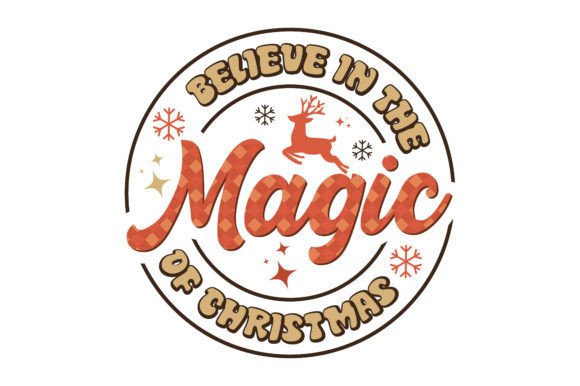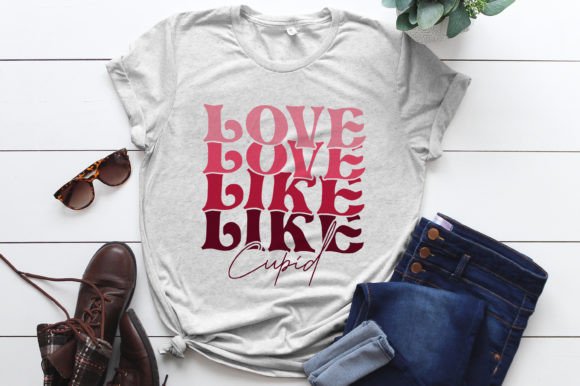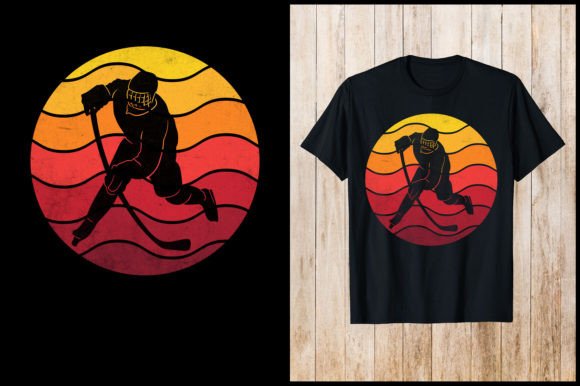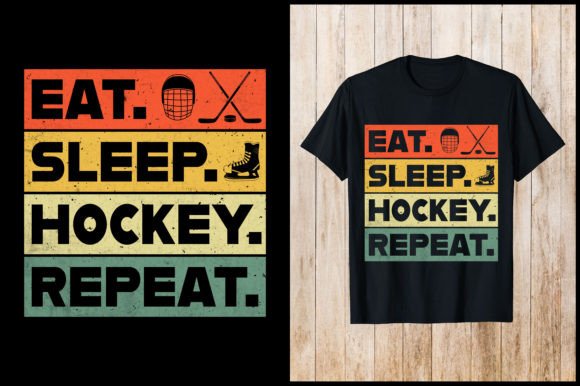
Retro Christmas T-shirt Designs Review
When I open a new batch of design assets, I don’t just look at the image; I look at the stitch. As someone who has spent years turning digital files into tangible, wearable art, my first instinct is always practical: how will this behave under the needle? That is exactly how I approached evaluating the Retro Christmas T-shirt Designs collection. The premise is straightforward—vintage-inspired graphics meant for sublimation and apparel—but the execution in an embroidery context requires a different kind of scrutiny. This review isn’t about whether the PNG looks good on a screen; it’s about whether that nostalgic aesthetic translates into a high-quality, sellable embroidered product.
The First Impression: Mood and Visual Personality
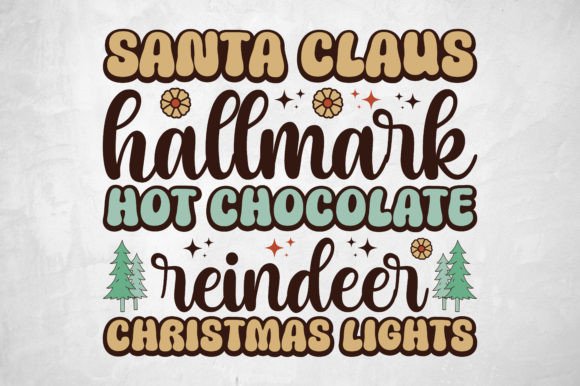
The immediate takeaway from these T-Shirt Designs is their distinct retro vibe. There is a specific warmth to vintage typography and color palettes that resonates deeply with holiday shoppers. Unlike modern, minimalist holiday designs that can feel cold or corporate, these graphics carry a sense of nostalgia. They evoke memories of old movie posters, classic diner signs, and mid-century home decor. For a designer, this emotional connection is crucial because it directly influences customer trust and engagement. When a buyer sees a design that feels familiar yet fresh, they are more likely to perceive the final handmade product as valuable.
The layout of the designs appears balanced, which is essential for machine embroidery design work. A cluttered graphic often leads to stitching confusion, where the eye doesn’t know where to rest. These designs seem to prioritize readability and character, suggesting that they would translate well into embroidery project formats that focus on statement pieces rather than subtle accents. The visual personality is bold but approachable, making it suitable for a wide range of demographics, from teenagers looking for trendy holiday wear to adults seeking nostalgic gifts.
Real-World Application: From Screen to Stitch
To truly understand the potential of these Graphics, we have to imagine them on actual products. Let’s consider a real-life scenario: preparing inventory for a holiday craft fair or launching a new line on Etsy. Imagine creating a custom embroidered tote bag for a client who wants something unique for their office Secret Santa exchange. The Retro Christmas T-shirt Designs could be placed prominently on the front panel. Because the aesthetic is playful, it fits perfectly with canvas totes, which are popular for carrying groceries, books, or holiday treats.
Another strong use case is sweatshirt embroidery. Holiday gatherings often call for cozy, festive attire. Applying one of these designs to a crewneck sweatshirt creates an instant classic. The retro theme pairs beautifully with soft cotton blends or fleece, enhancing the tactile experience of the garment. Similarly, for apron embroidery, these designs could add a touch of humor and style to kitchen activities, making them excellent personalized gift options for hosts or cooking enthusiasts.
I also see potential in baby embroidery items. While the retro style might skew slightly older, certain elements could be adapted for nursery decor or baby blankets, provided the colors are softened. However, the strongest fit remains adult-centric apparel and accessories like caps, hats, and embroidered patch applications for denim jackets or backpacks. These items benefit from the boldness of the design, allowing the intricate details to shine without getting lost in the fabric texture.
Technical Considerations and Potential Pitfalls
While the aesthetic appeal is high, every designer knows that beauty does not always equal stitchability. There are areas where you must exercise caution. If you plan to use these designs on small hoop sizes, such as those used for caps or delicate tote bag design accents, you need to inspect the fine details closely. Tiny lettering or complex background elements might become muddy if the stitch density is too high or if the fabric moves during stitching.
Fabric choice is another critical factor. Textured fabrics, like heavy wools or bouclé, can obscure the clean lines of a retro graphic. Thin or stretchy fabrics require proper stabilization to prevent puckering, especially if the design includes large areas of fill stitch. I recommend testing the design on scrap fabric that matches your final material in both weight and stretch. If you are working with dark fabric, ensure that the thread colors provide sufficient contrast; otherwise, the design may lack impact. Conversely, on light fabrics, check for any unintended show-through from dense stitching.
Curved surfaces, such as the front panel of a baseball cap, present their own challenges. The design must be digitized or adjusted to accommodate the curve, or it will look distorted when worn. Additionally, if the original file contains very detailed corners or decorative accents, verify that your machine can handle the precision required. Overly dense stitch areas can lead to thread breaks or needle deflection, so reviewing the stitch density before committing to a full production run is wise.
Practical Designer Notes for Success
- Test Before You Produce: Always run a test stitch on scrap fabric. This allows you to adjust thread colors, tighten or loosen tension, and confirm that the hoop size accommodates the entire design without cutting off edges.
- Check Contrast: View the design in black and white mockups to ensure legibility. Retro designs often rely on tonal differences, which can get lost in embroidery if not carefully planned.
- Stabilizer Strategy: Use the appropriate stabilizer for your fabric type. Cut-away stabilizers are generally recommended for garments that will be washed frequently, ensuring the integrity of the finished product.
- Licensing Verification: Although the description mentions "Trademarks And Copyright Free," it is vital to double-check the specific license terms. Confirm whether you are allowed to sell finished items commercially or if there are restrictions on the number of units. This protects your craft business from legal issues.
- Thread Selection: Choose high-quality polyester or rayon threads that complement the retro palette. Metallic or specialty threads can enhance the vintage feel but may require slower stitching speeds.
Final Verdict: Value and Versatility
The Retro Christmas T-shirt Designs collection offers a compelling blend of nostalgia and commercial viability. For Etsy sellers and small shop owners, these designs provide a ready-made solution for creating cohesive holiday collections. They are versatile enough to be applied to various design assets, including printable mockups for marketing and actual physical products for sale.
The key to success lies in thoughtful application. By understanding the limitations of fabric types, hoop sizes, and stitch densities, you can transform these digital graphics into professional-grade embroidered goods. Whether you are creating a single personalized gift for a friend or stocking shelves with holiday embroidery merchandise, these designs offer a solid foundation. Just remember to test rigorously, respect licensing agreements, and let the quality of your stitching speak for itself. In the world of handmade commerce, attention to detail is what turns a simple design into a beloved keepsake.